At ASOGROCAIMA, we believe the future of panela is built with farming families, their knowledge, and their ability to imagine new opportunities. That is why, on September 14, we participated in a training session on business prospecting for sustainability in Nocaima. It brought together 30 attendees around a shared purpose: exploring how our panela tradition can generate greater value and open new markets.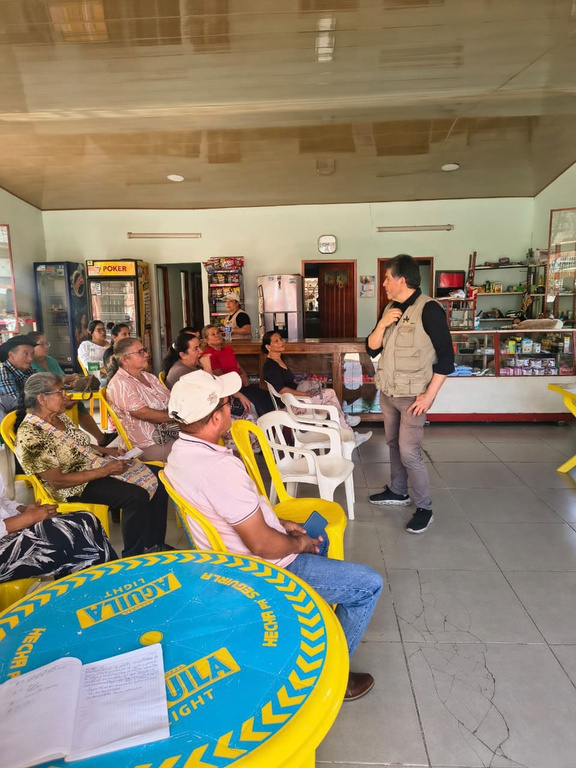
The activity was held as part of the project to implement juice concentration plants for continuous-flow cane syrup and panela production in panela-producing communities in Cundinamarca, identified by BPIN code 2024000100053.
Our Identity: The Starting Point
Before talking about customers and products, we discussed what represents us. Producers highlighted their farming roots, traditions passed down through generations, love of the countryside, and commitment to the community.
They also highlighted the diversity of our region, where sugarcane grows alongside crops such as coffee, plantain, and cassava, and the value they place on the quality and flavor of their products.
These elements form the basis of the story we want to tell. Behind Nocaima panela are families, knowledge, and daily work. Making that origin visible helps us build a business offering with a distinct identity and strengthen the connection between producers and consumers.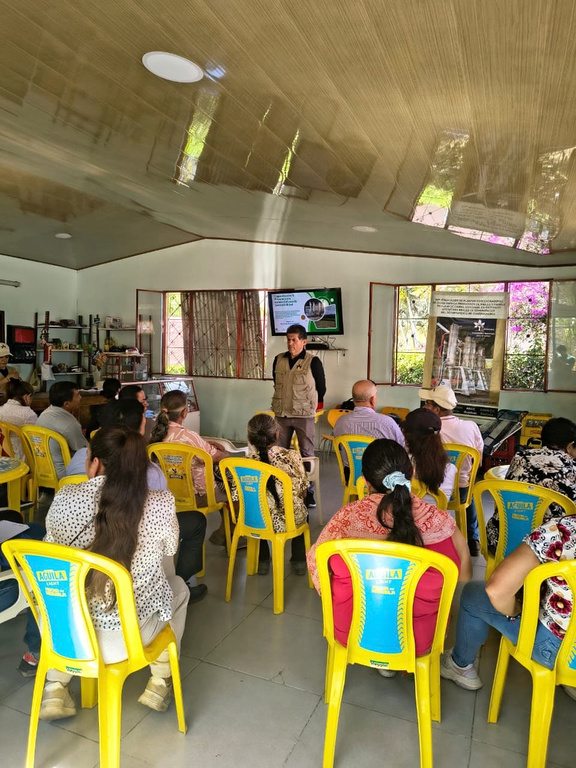
Five Groups, New Ideas for Adding Value
During the session, participants organized themselves into five groups to identify potential products, customers, and ways to stand out. The exercise produced ideas that broaden the possibilities for sugarcane-derived products:
- Chili sauces, other sauces, and dressings made with cane syrup, aimed at restaurants and grill houses.
- Molasses-based animal feed preparations, addressing the needs of agricultural and livestock producers.
- Cereal bars with panela or cane syrup, combined with ingredients such as oats, sesame, peanuts, coconut, or coffee.
- Concentrated molasses for the livestock sector, with attention to quality, presentation, and business relationships with farmers in the region.
- Cane syrup for cocktails, ice cream shops, and tourism experiences, as a way to bring the flavor of our region to new culinary settings.
These ideas emerged from participatory work and provide a basis for evaluating their technical and commercial feasibility. Developing them requires understanding buyers' needs, defining formulations and formats, and verifying the applicable quality requirements.
Technology and Organization to Sustain Change
The training also opened a conversation about the relationship between technological innovation and commercial sustainability. Introducing new technologies requires the community to understand how they work and strengthen its ability to operate, manage, and maintain them.
At the same time, entering new markets requires planning production, providing consistent quality, agreeing on supply terms, and fulfilling commitments to customers. Producer organization is essential to moving forward along this path.
For ASOGROCAIMA, this process connects farming knowledge with new processing and marketing tools. Our interest is in turning added value into opportunities for families and reasons for new generations to find a future in agriculture.
A Shared Vision for Nocaima
This session reminded us that innovation also comes from listening to those who grow and process sugarcane. Their experience helps identify real needs and propose products rooted in our region.
As a nonprofit association, we continue working to strengthen our community's capabilities and build opportunities around panela. Training, participation, and the search for new markets are part of that commitment.
We thank the participating producers and the facilitation team for their contributions, openness to dialogue, and ideas. Each gathering helps build a shared vision for the development of Nocaima's panela sector.
Tradition gives us roots; collective work allows us to turn those roots into new opportunities.
Learn about our work as an association and our training and innovation initiatives for Nocaima's farming families.